On October 29, Beijing time, on the sidelines of the seventeenth meeting of the Conference of the Parties to the Convention on Biological Diversity (COP17), the Global Energy Interconnection Development and Cooperation Organization (GEIDCO) held a thematic side event and released the 2026 List of Energy Transition for Biodiversity Conservation. Ten of the most representative projects from six countries — China, Laos, Indonesia, Egypt, South Africa and New Zealand — were included in the list.
The 12-day COP17 will conduct the first global collective progress review on the implementation of the Kunming-Montreal Global Biodiversity Framework (KMGBF). As part of the official agenda of the conference, the side event, themed "Energy and Biodiversity: Accelerating Energy Transition and Mainstreaming Biodiversity to Advance the Kunming-Montreal Global Biodiversity Framework," was hosted by GEIDCO. The event aims to contribute solutions for strengthening biodiversity conservation in the energy sector and fostering mutual support between energy transition and ecological protection, thereby facilitating the achievement of the KMGBF 2030 targets.

In his address, Liu Zehong, Vice President of GEIDCO, stated that energy is both a major source of pressure on biodiversity and a wellspring of solutions. Accelerating the green and low-carbon transition of energy will help mitigate climate change, improve environmental quality and reduce the destruction of biological habitats, providing strong support for biodiversity conservation. To advance the synergistic governance of energy and biodiversity, the overarching solution is to build an "eco-friendly energy system" that both secures energy supply for economic and social development and preserves living space for all living beings. In this regard, three key transformations should be accelerated: first, transforming the way energy is produced and consumed; second, transforming the way energy projects are developed; and third, transforming the way the energy industry is governed.
At the side event, Li Baosen, Deputy Secretary-General of GEIDCO, released three latest outcomes: the 2026 List of Energy Transition for Biodiversity Conservation, the research report Energy Transformation Empowering Biodiversity Conservation, and the Best Practices of Energy Transition for Biodiversity Conservation 2026.
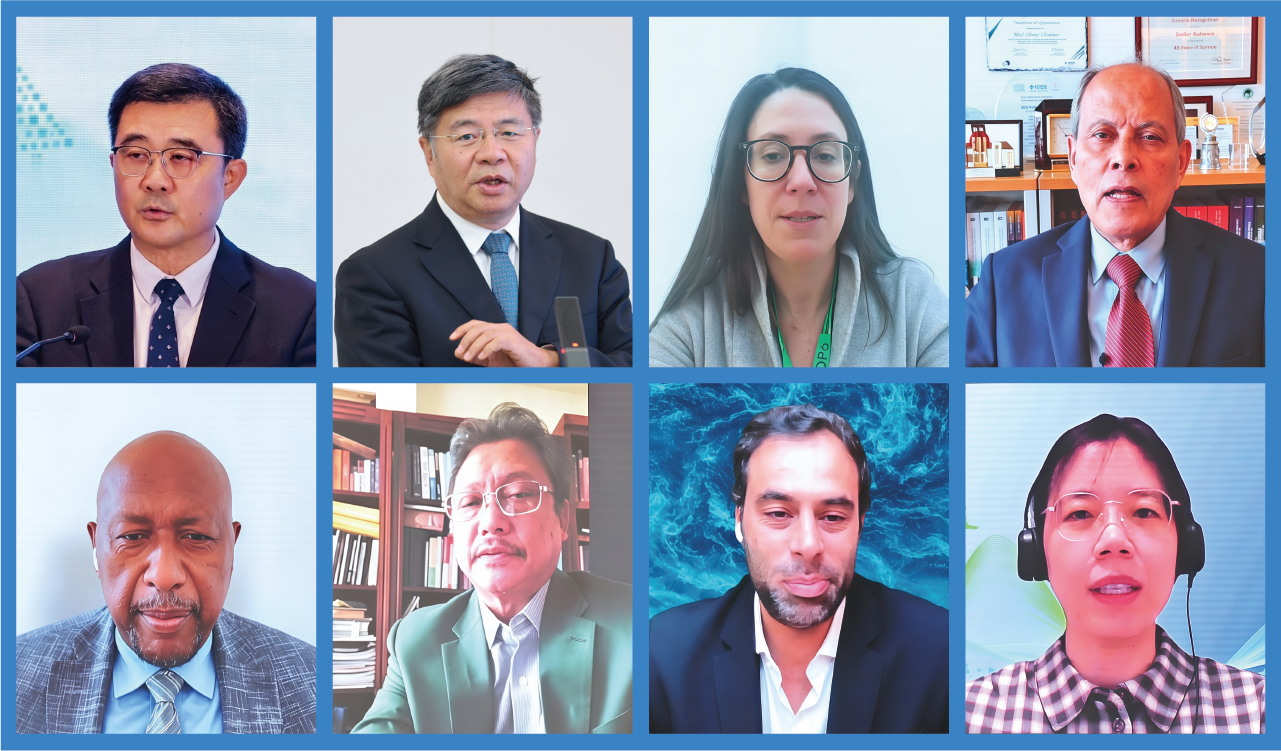
The side event was held in a hybrid format, both onsite and online, with support from the Secretariat of the Convention on Biological Diversity, the Ministry of Environment of Armenia as the COP17 presidency country, the Secretariat of the Convention on the Conservation of Migratory Species of Wild Animals, and the International Union for Conservation of Nature (IUCN). Gillian Campbell, Head of Monitoring, Assessment and Reporting at the Secretariat of the Convention on Biological Diversity; Liu Ning, Deputy Representative of the President of the fifteenth meeting of the Conference of the Parties to the Convention on Biological Diversity; Hazland Hipni, Deputy Minister of the Ministry of Energy and Environmental Sustainability of Sarawak, Malaysia; Rachel Asante-Owusu, IUCN Global Head of Climate Change and Energy Transition; Joao Costa, Executive Director of the Hydropower Sustainability Alliance; and Seleshi Bekele, former Minister of Water, Irrigation and Energy of Ethiopia, attended the event and delivered keynote speeches. Saifur Rahman, Joseph Loring Professor of Electrical Engineering, delivered a video address.
As an observer of the UN Biodiversity Conference, GEIDCO has in recent years actively contributed to and played a role in the synergistic governance of global energy, climate and biodiversity, promoting the inclusion of Global Energy Interconnection in the policy recommendations of the UN High-level Political Forum on Sustainable Development on seven occasions and its incorporation into the Sixth Assessment Report of the Intergovernmental Panel on Climate Change. (Energy China App)