




中能专访丨蔚蓝电脉:地中海高压直流织就跨境区域电网
来源:中国能源新闻网 时间:2026-06-15 15:30
蔚蓝电脉:地中海高压直流织就跨境区域电网
——专访CIGRE希腊国家委员会秘书长、雅典国立技术大学
副教授克里斯托斯·克里斯托杜卢
Exclusive:Mediterranean HVDC Creates Cross-border Regional Power Grid
An Interview with Christos Christodoulou,General Secretary of the Greek National Committee of CIGRE, Associate Professor of
the National Technical University of Athens
中国能源新闻网 记者孔德琳 实习记者王雪聪
By Kong Delin,Wang Xuecong, China Energy News
【人物简介】克里斯托斯·克里斯托杜卢博士是雅典国立技术大学(NTUA)电气与计算机工程学院副教授,分别于2006年和2010年在该校获得工程文凭及博士学位。2013年至2015年,他作为博士后研究员在色雷斯德谟克利特大学(DUTH)工作;2016年至2022年任职于希腊配电网络运营商(HEDNO)。克里斯托杜卢博士曾以研究人员及项目协调员身份参与多项国内外(第七框架计划、地平线2020计划、LIFE环境行动计划、伊拉斯谟计划)科研项目,研究领域涵盖高压工程、高压直流技术、电力系统、智能电网、电气测试、电磁兼容性、照明及节能技术。自任职以来,他已在国际顶尖期刊、会议论文集及专著中发表逾90篇论文,并担任多份学术期刊及会议论文集的评审专家或编委会成员。
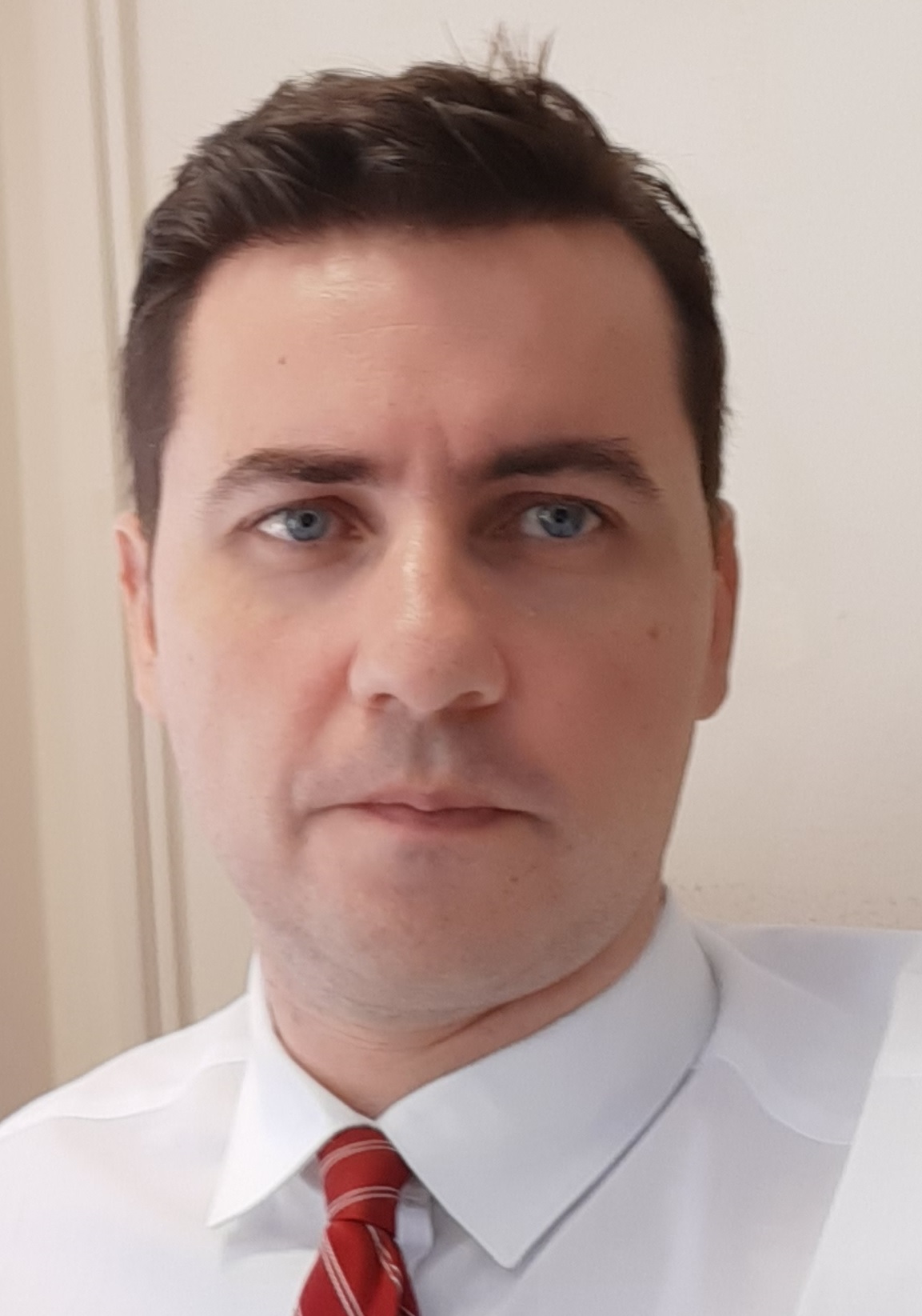
克里斯托斯·克里斯托杜卢,CIGRE希腊国家委员会秘书长、雅典国立技术大学副教授ChristosChristodoulou,GeneralSecretaryoftheGreekNationalCommitteeofCIGRE,AssociateProfessoroftheNationalTechnicalUniversityofAthens
在地中海地缘与气候交织的特殊区位下,依托高压直流线缆构建跨境互联能源电网,正成为欧洲能源转型落地的关键路径。希腊直面复杂地域工况带来的线缆应用难题,大力开展海底、陆地电缆技术自主研发。放眼全球,中国成熟的特高压直流产业链与工程实践,则为大范围新能源远距离输送提供参考范式。地中海的蔚蓝电脉,如何依托高压直流技术整合分散的跨境电力网架,衔接全球能源网络?国际大电网委员会(CIGRE)希腊国家委员会秘书长、雅典国立技术大学副教授克里斯托斯・克里斯托杜卢,围绕高压直流技术落地与全球能源融通议题,接受了中能传媒记者的专访。
中能传媒:在地中海和欧洲南部等复杂气候与地理环境下,高压直流(HVDC)电缆系统的绝缘设计与材料选型需要攻克哪些核心难题?
克里斯托斯·克里斯托杜卢:在地中海和南欧等复杂气候与地理环境中,高压直流输电系统的绝缘设计及材料选择必须应对诸多关键挑战。总体而言,欧洲电力系统正因可再生能源(风能、太阳能)的高渗透率、跨境电力交易、电能替代及能源转型而迅速发展。在此背景下,输电基础设施亟须大规模扩建——包括新建地下及海底电缆走廊,并加强欧洲范围内的电网互联。为此,高压直流系统日益成为长距离输电、海上风电接入及洲际能源交换的首选方案。然而,当前高压直流电缆系统仍存在多项短板与技术难题,包括热传导瓶颈、直流绝缘性能、空间电荷积聚、热应力管控,以及交联聚乙烯(XLPE)等传统材料回收利用率偏低等问题。因此,未来解决方案需选用高导热、耐环境应力、可回收性更优的新型热塑性材料与纳米填料改性绝缘材料。与此同时,精准的老化预测模型、优化的电缆几何结构以及基于人工智能的监测技术对于确保该地区输电系统的长期可靠性、运行安全性和可再生能源高效整合至关重要。
中能传媒:希腊作为CIGRE组织成员之一,将在标准制定、试点示范及技术攻关等哪些领域,推动全球高压直流电缆技术协同发展?
克里斯托斯·克里斯托杜卢:作为CIGRE组织的活跃成员,希腊可在多个战略领域为全球高压直流输电电缆技术的未来发展贡献力量。希腊可支持涉及先进绝缘系统、老化评估方法、监测技术及可回收电缆材料等领域的国际标准化工作;希腊的实验室和研究机构还可参与试点验证活动,特别是在高压测试、湿度与老化研究、基于人工智能的诊断技术以及适用于地中海环境的海底电缆应用等领域。此外,希腊还可研发新型聚合物绝缘材料、超导电缆技术方案,以及用于提升长距离高压直流互联线路可靠性与运行效率的云监测平台,助力全球技术创新与欧洲能源转型。
中能传媒:您认为,中国高压直流输电技术、电力电子技术和装备在全球处于何种地位?它们在全球范围内发挥了怎样的作用?
克里斯托斯·克里斯托杜卢:中国如今已成为全球高压直流输电及电力电子设备领域最强大的工业强国之一, 就特高压直流(UHVDC)而言,更是当之无愧的领跑者。其优势不仅体现在技术实力上,更在于实现了前所未有的大规模部署:中国已建成全球最大的特高压(UHV)交流/直流输电基础设施网络(包含数十个项目),运营中的UHV线路总长度超过6万公里,跨区域输电容量达数十吉瓦,甚至可达数百吉瓦,并在换流变压器、换流阀、绝缘配合技术及柔性直流技术方面取得重大创新。与此同时,中国电力电子企业已成为全球清洁能源供应链的核心力量——尤其是在光伏逆变器领域,顶尖供应商大多来自中国并占据全球市场主导地位。这一点尤为重要,因为随着光伏发电、储能、电动汽车充电及分布式电源快速发展,逆变器已不再是辅助设备,而正逐步成为电网的核心资产。
在全球范围内,中国的角色在于证明跨大陆规模的可再生能源输电在技术和经济上均具有可行性:来自偏远地区的水电、风能和太阳能均可高效输送至沿海及工业需求中心。
【Profile】Dr. Christos Christodoulou is an Associate Professor at the School of Electrical and Computer Engineering at the National Technical University of Athens (NTUA). He received his diploma and his PhD degree from the NTUA, in 2006 and 2010, respectively. From 2013 to 2015 he was a postdoctoral researcher at the Democritus University of Thrace (DUTH). From 2016 to 2022 he worked for the Hellenic Distribution Network Operator (HEDNO). Dr. Christodoulou has been participating as a researcher and coordinator in various national and international (FP7, H2020, Horizon, LIFE, Erasmus) research projects about high voltage engineering, HVDC technologies, power systems, smart grids, electrical tests, electromagnetic compatibility, lighting and energy saving. He has published more than 90 papers in leading international journals, conferences and books, since he has served also as a reviewer or as a member of the editorial board in journals and conferences.
In the Mediterranean's unique geographical and climatic conditions, building a cross-border interconnected energy grid via high-voltage direct current (HVDC) cables is emerging as a pivotal pathway for Europe’s energy transition. Confronted with formidable engineering constraints caused by complex geographic conditions, Greece has invested intensively in domestic research and development of submarine and onshore cable technologies. Worldwide, China’s mature ultra-high voltage direct current (UHVDC) industrial chain and proven engineering projects have set a benchmark for long-distance bulk power transmission of large-scale renewable energy. How can Mediterranean power leverage HVDC technology to integrate fragmented cross-border power infrastructures and connect to the global energy network? Christos Christodoulou, Secretary-General of the Greek National Committee of CIGRE and Associate Professor at the National Technical University of Athens, gave an exclusive interview to China Energy News on HVDC practical deployment and global energy interconnection.
China Energy News:Under the complex climatic and geographical conditions of the Mediterranean and Southern Europe, what core challenges need to be addressed in the insulation design and material selection of HVDC cable systems?
Christos Christodoulou:In complex climate and geographical environments, such as the Mediterranean and Southern Europe, the insulation design and material selection of HVDC cable systems must address several critical challenges. In general, European power systems are rapidly evolving due to high RES penetration (wind, solar), cross-border electricity exchange, as well as electrification and energy transition. In this context, massive expansion of transmission infrastructure is required, i.e. new underground and submarine cable corridors and stronger interconnections across Europe. To this directions, HVDC systems are increasingly preferred for long-distance transmission, offshore wind integration and intercontinental energy exchange. However, current cable HVDC systems face limitations and several key technical challenges related to thermal bottlenecks, DC insulation behavior, space charge accumulation, thermal stress management, and limited recyclability of conventional materials, such as XLPE. Future solutions therefore require advanced thermoplastic and nanofiller-enhanced insulating materials with higher thermal conductivity, improved resistance to environmental stress, and better recyclability. In parallel, accurate aging prediction models, optimized cable geometries, and AI-based monitoring technologies are essential to ensure long-term reliability, operational safety, and efficient renewable-energy integration across the region.
China Energy News:As a member of CIGRE, in what areas, such as standard formulating, pilot demonstration projects, and technological innovations, will Greece promote collaborative development of global HVDC cable technology in the future?
Christos Christodoulou:As an active member of CIGRE, Greece can contribute to the future collaborative development of global HVDC cable technology in several strategic areas. Greece can support international standardization efforts related to advanced insulation systems, aging assessment methodologies, monitoring technologies, and recyclable cable materials. In addition, Greek laboratories and research institutions can participate in pilot validation activities, particularly in areas such as high-voltage testing, humidity and aging studies, AI-based diagnostics, and submarine cable applications relevant to the Mediterranean environment. Greece may also contribute to initiatives about technological innovation through the development of advanced polymeric insulation materials, superconducting cable concepts, and cloud-based monitoring platforms that improve the reliability and efficiency of long-distance HVDC interconnections supporting Europe’s energy transition.
China Energy News:How would you assess China’s standing in HVDC transmission technology, power electronics and equipment, and what role have these technologies played across the globe?
Christos Christodoulou:China is now one of the world's strongest - and in UHVDC arguably the leading - industrial powers in HVDC transmission and power-electronics equipment. Its strongest position lies not only in technological capability, but in deployment at an unprecedented scale. China has built the world's largest UHV AC/DC transmission base, with dozens of projects, more than 60,000 km of UHV lines in operation, cross-regional transmission capacity reaching several tens, and possibly even hundreds, of GWs, and major innovation in converter transformers, converter valves, insulation coordination and flexible DC technologies. At the same time, Chinese power-electronics firms have become central to the global clean-energy supply chain, especially in PV inverters, where the majority of the top suppliers are China-based and hold a dominant share of the global market. This is particularly important because inverters are no longer peripheral devices; they are becoming grid-critical assets as solar, storage, EV charging and distributed energy continue to grow.
Globally, China's role has been to demonstrate that continent-scale renewable-energy transmission is technically and economically feasible: hydro, wind and solar power from remote regions can be transported efficiently to coastal and industrial demand centers.
责任编辑:刘础琪


